Separation anxiety is experienced by children & adults. We can help identify the root cause and teach you how to manage & resolve your separation anxiety.
Separation anxiety is a fear of losing, or being away from a person or attachment figure. It is most common amongst babies and small children, and considered to be a normal part of a child’s development; one they grow out of. But separation anxiety isn’t just limited to children, adults can also experience it.
Jump to section
Separation anxiety in children
Separation anxiety in babies and children starts when the child realised how dependent they are on the person or persons who can for them. It makes sense really, they rely on that person to provide all their basic needs as well as comfort and love.
As children become more aware they develop stronger relationships with these primary care-givers and, in turn, they don’t feel safe without them. Usually as a child develops and becomes older they ‘grow out’ of this stage. However, for some children it continues and can impact their daily lives as well as their emotional development and wellbeing. If you feel your child is struggling, we can help.
Our approach to separation anxiety family therapy
Our trained therapists will work with you and the child using a combination of treatments and therapies. If your child doesn’t yet have the words to describe how they are feeling then we can use a combination of treatments and therapies such as play and art therapy as well as talking therapies, depending on what’s age appropriate.
Separation anxiety in adults
Separation anxiety in adults can be so intense that it affects every area of their lives, from homelife to work. The idea of being separated from that person or persons can feel overwhelming. This is where we can help.
Adult separation anxiety can be caused by a number of reasons. Life events such as the loss of an attachment figure, permanently or briefly can result in such feelings. Separation anxiety in adults is often linked to other underlying mental health conditions such as anxiety, stress and past trauma .
We will work with you to identify the causes behind your separation anxiety using a combination of treatments and therapies such as CBT (Cognitive Behavioural Therapy), hypnotherapy, and talking therapies such as psychotherapy and counselling.
Cognitive Behavioural Therapy (CBT) is about looking at the relationship between your thoughts and feelings, and how they make you ‘default’ to certain behaviours.
It is a particularly effective treatment for separation anxiety as well as anxiety, stress and depression. CBT is used as a way to rewire the software of your brain, rehearsing troubling situations in your mind in order to create alternative ways of thinking when that situation arises again. In effect, you’re creating new mental circuitry by challenging and changing old responses that feel hardwired in, but aren’t.
What can you expect from a separation anxiety session?
We work with you to understand your specific needs and tailor the sessions to suit you. We always take a person-centred, or child-centred, approach to work with you to reach your goal.
Our sessions usually last from 30 minutes to an hour; we usually recommend a course of around 6 to 12 sessions.
Our insurance partners
A charisma boost for confident communicators
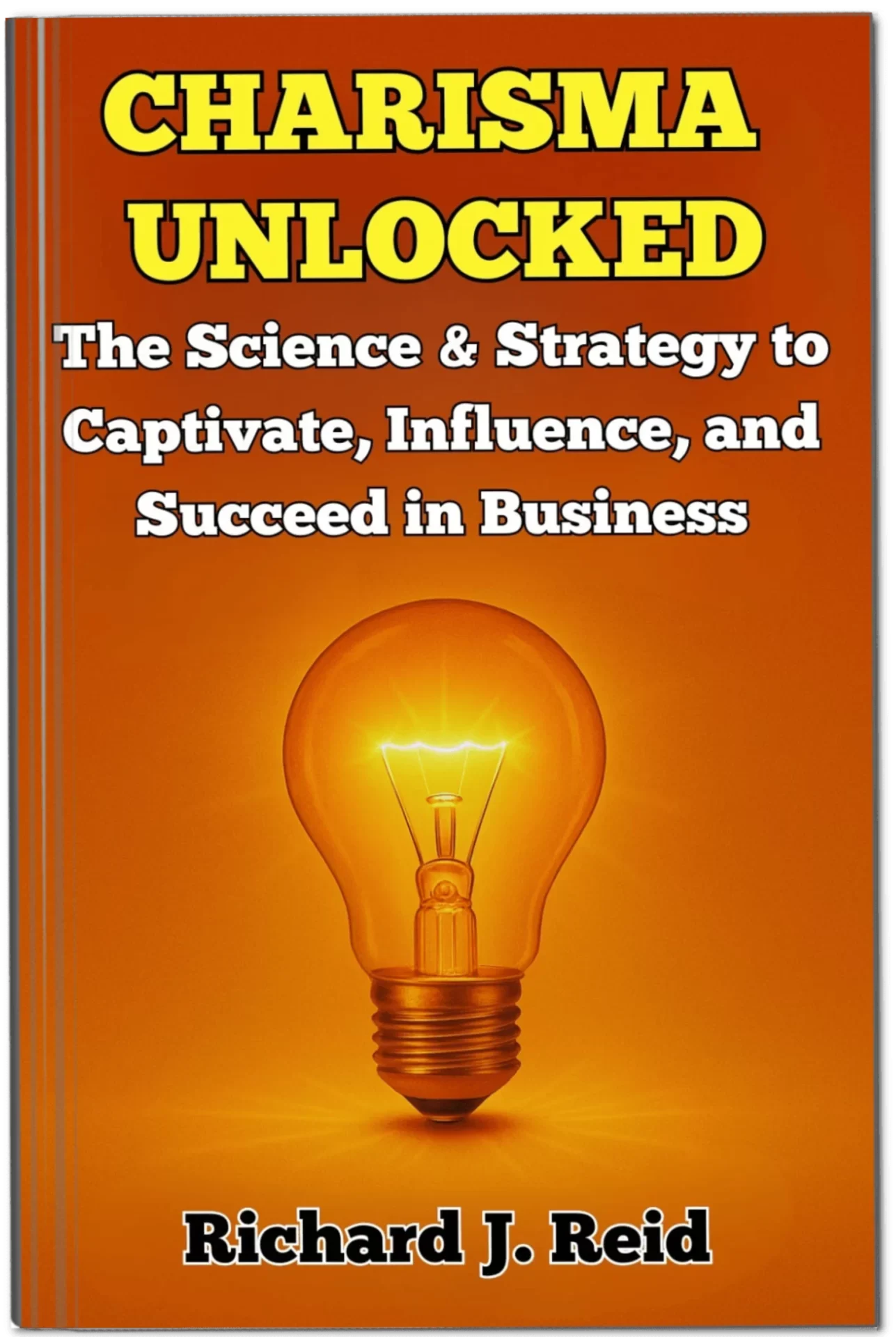
Read Richard Reid’s book: Charisma Unlocked
Are you looking to make a lasting impression in social situations? Do you struggle to connect with others or feel your presence is often overlooked? Unlock your true potential with Charisma Unlocked.
If you feel your ability to communicate or influence is holding you back, this book provides the tools to transform your social skills. With Richard’s expert guidance and proven strategies, you’ll discover how to harness the power of charisma in everyday interactions.
By mastering techniques such as active listening, body language control, and authentic self-expression, you’ll gain the confidence to connect with others and make a powerful impact in both your personal and professional life. Take the first step toward unlocking the magnetic presence within you.