A child who experiences trauma, abuse or neglect at a young age is at risk of not developing properly; this can have lasting effects on many areas of their life and their future health. The trauma your child may have experienced will often carry with them through to adulthood if left untreated. This is where we can help. We can help you and your child to understand and unravel past traumas, allowing them to move on and regain control over their life and emotions.
Jump to section
Trauma therapy explained
Trauma is an emotional response to a terrible event, whether experienced or witnessed. Everyone will respond to trauma in their own way.
Immediately after the event, your child may experience shock and denial; these are typical initial responses. Longer term reactions may include unpredictable emotions, strained relationships, flashbacks, and even physical symptoms like headaches or nausea.
There are situations where a traumatic event that happens can often be suppressed and problems arise later. Childhood trauma therapy can help your child combat these traumatic events and guide them towards regaining control of their emotions.
Trauma can be described as experiencing an event or multiple events which overwhelm your ability to cope. Examples of trauma are the sudden death of a loved one, a distressing experience or humiliating occurrence. Trauma can often be the outcome of physical harm. However, any situation that limits your ability to cope can be traumatic. Some traumatic events are sudden, giving you no time to prepare yourself emotionally. This can leave you feeling powerless to regain control.
What is PTSD and how is it different from trauma?
Post-traumatic stress disorder is a mental health condition that’s triggered by a terrifying event – either by experiencing it or witnessing it. Whilst it is not an inevitable response to trauma it can have a significant impact on your child’s life.
PTSD is a longer-term condition where the person continues to have flashbacks and re-experiences the traumatic event. This is common for those who have experienced childhood trauma. Symptoms may include flashbacks, nightmares and severe anxiety, as well as uncontrollable thoughts about the event. Trauma therapy is effective in overcoming Post Traumatic Stress Disorder (PTSD).
How to tell if you are suffering from PTSD
There are many symptoms that can be ascribed to trauma. These symptoms can be emotional, or physical and can determine the severity of the issues.
The most common emotional symptoms are feelings of anxiety and fear in situations that are neither scary or stressful. Your child may also suffer from mood swings or have difficulty concentrating on everyday tasks. The more common physical symptoms are the inability to sleep or erratic sleeping patterns, including feeling lethargic or fatigue.
If you notice your child experiencing any of these symptoms after a traumatic event, they may be in need of counselling.
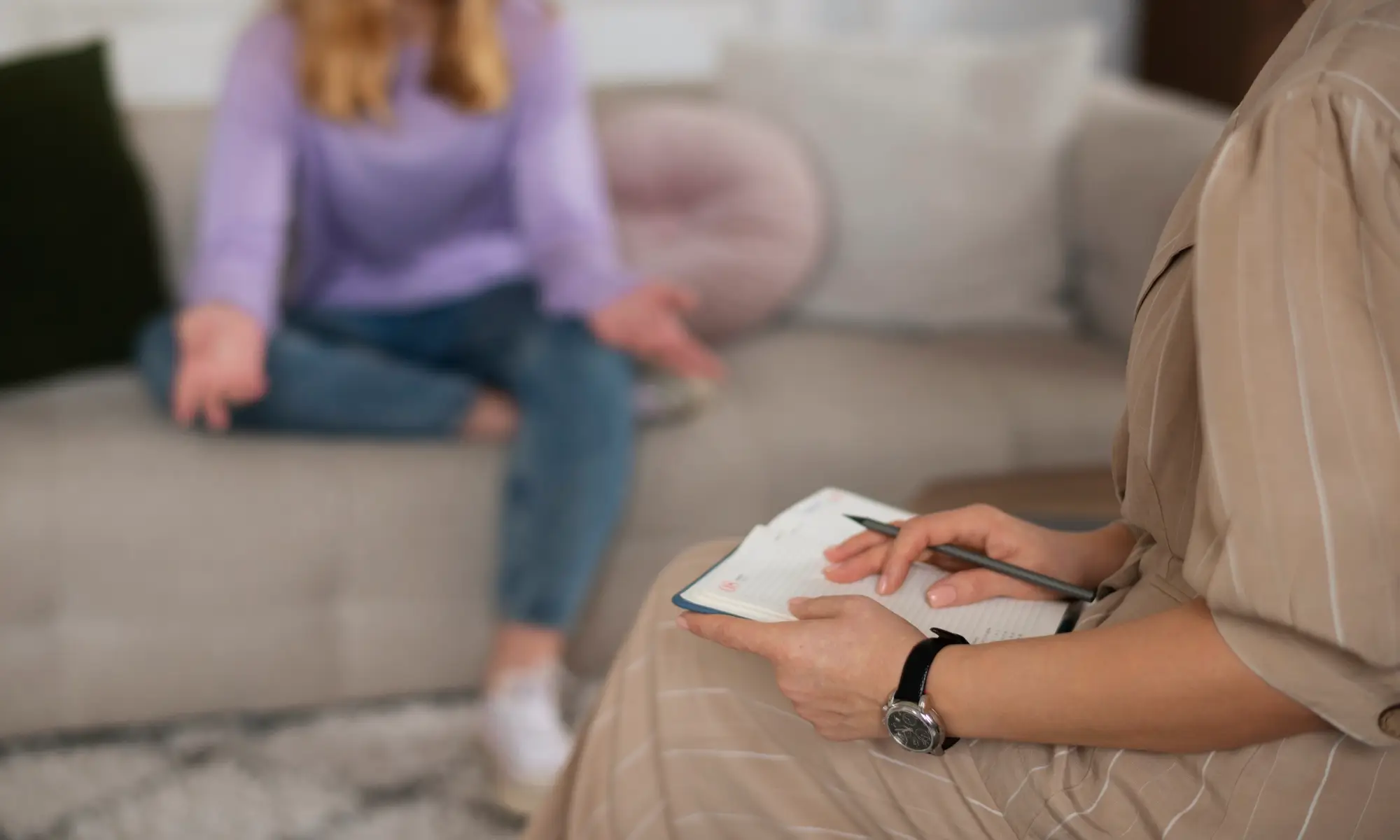
Our approach to therapy for childhood trauma is based around building a rapport with you and your child. Our therapists, specialising in childhood trauma, will work alongside you and your child to really understand how they are feeling. We’ll give them the opportunity to express their emotions freely. We know that showing an accepting nature is vital to helping someone overcome any negative feelings and to come to terms with their trauma.
It is our goal to make sure that your child receives the right approach to trauma counselling. Our objective is that your child sees themselves as a person who has the power and ability to change their life.
We know that ‘one size doesn’t fit all’ and that each of our clients is different and has their own set of unique needs and circumstances. Typically, we will use a combination of therapies to treat trauma; these include Cognitive Behavioural Therapy (CBT), Eye Movement Desensitisation Reprocessing (EMDR) and hypnotherapy alongside talking therapies such as counselling and psychotherapy.
A trauma therapy case study
When Jane was 9, her mother was diagnosed with psychosis. One day, she had locked Jane in a room with her, brandishing knives, saying terrible things about Jane’s father and said that she didn’t love Jane anymore.
Although her mother said sorry later on, Jane never again believed her when she said “I love you”. Jane said that her sister had suffered much more emotionally from this trauma than she had, and Jane continually felt guilty about her sister’s emotional problems. Jane reported crying while watching a movie that mentioned childhood memories.
Jane undertook six sessions of Eye Movement Desensitisation & Reprocessing (EMDR) in an effort to resolve the effect of these experiences. At the end of the treatment, Jane reported no distress when thinking about the original memories. She also felt calmer and safer around her mother and in other everyday social interactions.
What can you expect from a childhood trauma counselling session?
Our psychologists specialise in childhood trauma, they work with your child to tailor the sessions to suit your needs. Our sessions usually last from 30 minutes to an hour; and our courses usually consist of around 6 to 12 sessions.
Our insurance partners
A charisma boost for confident communicators
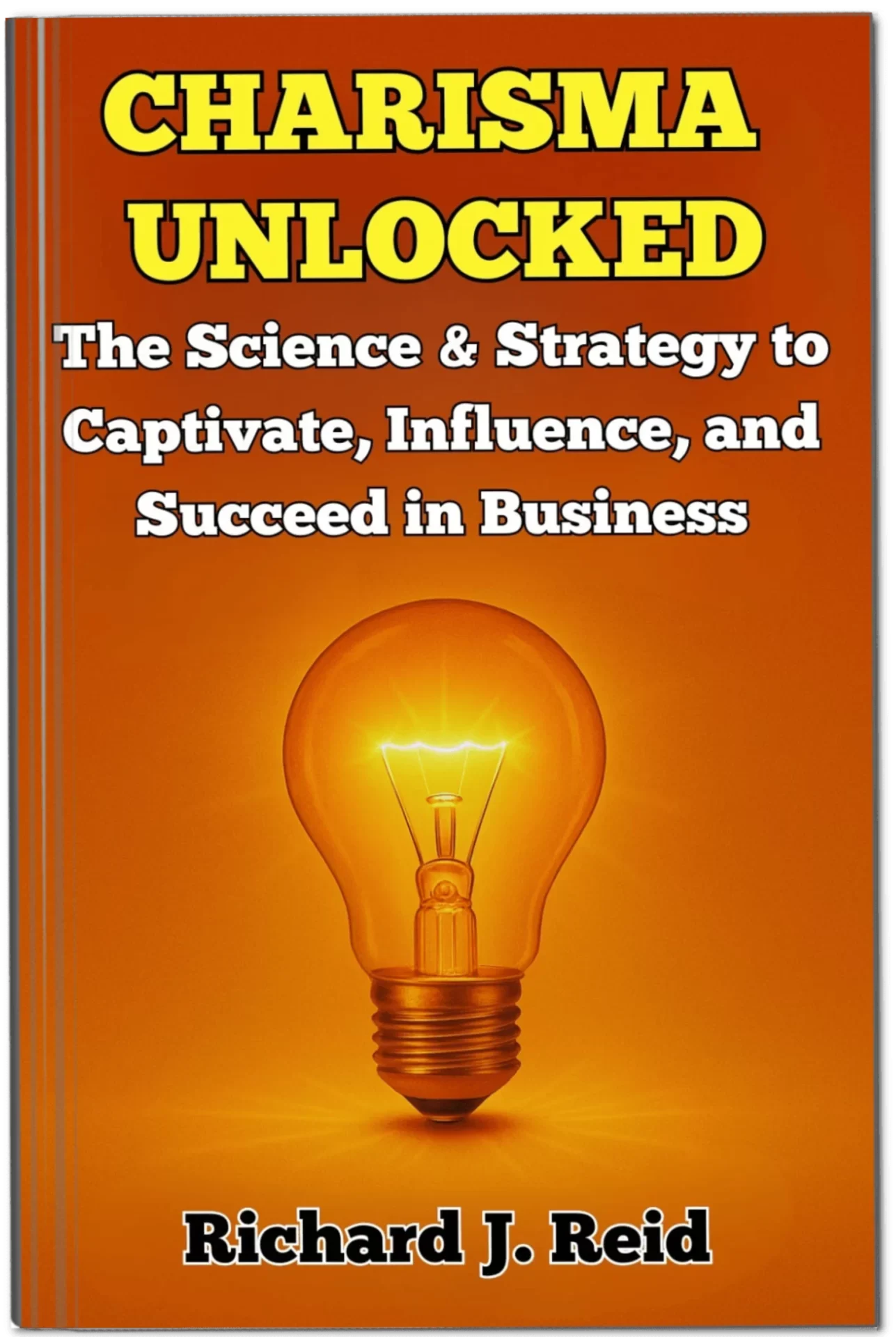
Read Richard Reid’s book: Charisma Unlocked
Are you looking to make a lasting impression in social situations? Do you struggle to connect with others or feel your presence is often overlooked? Unlock your true potential with Charisma Unlocked.
If you feel your ability to communicate or influence is holding you back, this book provides the tools to transform your social skills. With Richard’s expert guidance and proven strategies, you’ll discover how to harness the power of charisma in everyday interactions.
By mastering techniques such as active listening, body language control, and authentic self-expression, you’ll gain the confidence to connect with others and make a powerful impact in both your personal and professional life. Take the first step toward unlocking the magnetic presence within you.