Table of Contents
- What is neurofeedback and how it differs from other brain therapies
- Basic neurophysiology in plain language
- Evidence snapshot: what studies say about outcomes
- Who may benefit and when to be cautious
- Typical protocol explained step by step
- Safety, ethics and realistic expectations
- Practical at home preparatory exercises and tracking templates
- How neurofeedback can complement trauma informed therapies
- Frequently asked questions with brief evidence based answers
- Resources for clinicians and curious readers
What is neurofeedback and how it differs from other brain therapies
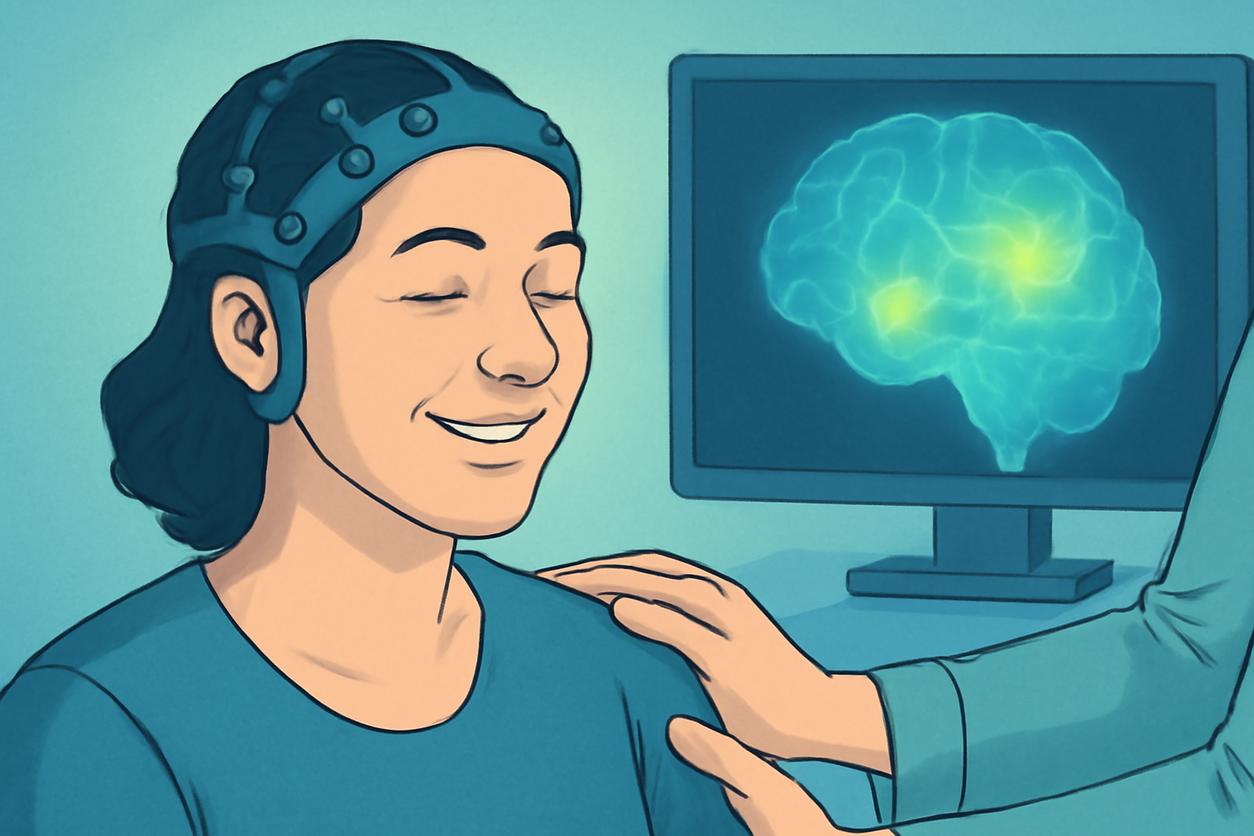
Neurofeedback is a type of biofeedback that uses real-time displays of brain activity—most commonly electroencephalography (EEG)—to teach self-regulation of brain function. In simpler terms, it is a non-invasive method that helps individuals learn to alter their brainwave patterns. The process involves placing sensors on the scalp to measure brain activity, which is then translated into visual or auditory feedback, such as a video game or a sound that changes based on brainwave patterns.
The core principle is operant conditioning. When the brain produces more of a desired brainwave pattern (for example, a calm and focused state), the individual receives a positive reward through the feedback. Over time, this process reinforces the brain’s ability to produce these desired patterns on its own, leading to improvements in focus, emotional regulation, and cognitive function. This learning process is gradual and harnesses the brain’s natural ability to change, known as neuroplasticity.
It is important to distinguish Neurofeedback from other brain-focused therapies:
- General Biofeedback: This is a broader category that can include feedback from heart rate, skin temperature, or muscle tension. Neurofeedback is a specific subset focused exclusively on brainwave activity.
- Transcranial Magnetic Stimulation (TMS): TMS is an active intervention that uses magnetic fields to stimulate or inhibit specific areas of the brain. Unlike the learning-based approach of Neurofeedback, TMS directly modulates neural activity.
- Transcranial Direct Current Stimulation (tDCS): Similar to TMS, tDCS is a neuromodulation technique that applies a low-level electrical current to the scalp to influence brain function. It actively introduces a current, whereas Neurofeedback passively measures existing brain activity to facilitate learning.
Basic neurophysiology in plain language
Our brains are composed of billions of nerve cells called neurons. These neurons communicate with each other using tiny electrical signals, passing messages across gaps known as synapses. When millions of neurons fire together in a synchronized pattern, they produce a rhythmic electrical pulse that can be measured from the scalp. These rhythmic pulses are what we call brainwaves.
Think of the brain as a complex orchestra. For the orchestra to play a beautiful symphony, all the different sections—strings, brass, percussion—must play in time and at the right volume. Brainwaves are like the rhythms of this orchestra. When certain sections are too loud (overactive) or too quiet (underactive), the symphony becomes disorganized. Neurofeedback acts like a conductor, providing real-time feedback that helps the orchestra learn to play in harmony again. The EEG sensors are the microphones that pick up the music, and the software is the conductor guiding the musicians.
Brain rhythms to know for training
Brainwaves are categorized by their frequency, measured in Hertz (Hz), or cycles per second. Each frequency band is associated with different states of consciousness and mental activity. Understanding these is central to Neurofeedback training.
- Delta (0.5-4 Hz): The slowest brainwaves, dominant during deep, dreamless sleep and essential for physical restoration and healing.
- Theta (4-8 Hz): Associated with deep relaxation, meditation, and the state between wakefulness and sleep. It is also linked to creativity and insight but can indicate inattentiveness when dominant during waking hours.
- Alpha (8-12 Hz): The rhythm of quiet, wakeful relaxation. Present when you close your eyes and relax. It is often a target in training for anxiety and stress reduction.
- Beta (12-30 Hz): The rhythm of active thinking, focus, and problem-solving. High-beta can be associated with anxiety and over-thinking, while a healthy beta level is crucial for concentration.
- Gamma (30-100 Hz): The fastest brainwaves, linked to high-level information processing, peak focus, and the binding of sensory information into a single, coherent experience.
Evidence snapshot: what studies say about outcomes
The body of research on Neurofeedback is growing, with evidence varying in strength across different conditions. For certain conditions, such as Attention-Deficit/Hyperactivity Disorder (ADHD), a significant number of studies suggest that Neurofeedback can lead to meaningful improvements in attention and impulsivity, with some professional bodies recognizing it as an effective intervention.
For other areas, like anxiety, insomnia, and peak performance training, the evidence is promising but less conclusive. Many studies are smaller in scale or lack rigorous control groups, making it difficult to draw firm conclusions. It is crucial to approach the research with a critical eye, recognizing that while many individuals report significant benefits, the scientific community is still working to establish standardized protocols and confirm efficacy through large-scale, high-quality trials. Ongoing neurofeedback research is essential for clarifying its role in clinical practice.
High quality trials and what they measured
A high-quality clinical trial in the field of Neurofeedback typically includes several key features: a randomized controlled design (RCT), where participants are randomly assigned to either receive Neurofeedback or a control condition; a sham or placebo control group, which helps distinguish true effects from participant expectations; and blinding, where neither the participant nor the assessor knows who is in which group.
These studies measure outcomes in several ways:
- Symptom Rating Scales: Standardized questionnaires completed by the participant, a parent, or a clinician to track changes in symptoms (e.g., the ADHD Rating Scale).
- Cognitive Performance Tests: Objective tests that measure functions like sustained attention, working memory, and reaction time (e.g., the Continuous Performance Test).
- Quantitative EEG (QEEG): Brain maps taken before and after treatment to see if the targeted brainwave patterns have changed in the expected direction.
The best studies, often found in open access reviews, combine all three types of measures to provide a comprehensive picture of treatment effects.
Who may benefit and when to be cautious
Based on current evidence, Neurofeedback may be a beneficial option for individuals looking for a non-pharmacological approach to manage certain conditions. Groups who may benefit include:
- Individuals with ADHD, particularly for improving attention and reducing hyperactivity.
- People experiencing anxiety or stress-related disorders who wish to improve their ability to self-regulate.
- Those with certain types of insomnia related to an overactive mind.
- Athletes, executives, and artists seeking peak performance training to enhance focus and mental clarity.
However, caution is warranted. Neurofeedback should not be considered a first-line treatment for severe psychiatric conditions like psychosis or major depressive disorder without being part of a comprehensive treatment plan supervised by a medical professional. Individuals with a history of seizures or traumatic brain injury should only undergo Neurofeedback with a highly experienced practitioner who can tailor protocols to their specific needs. It is always recommended to consult with a qualified healthcare provider to determine if Neurofeedback is an appropriate choice.
Typical protocol explained step by step
Embarking on a Neurofeedback journey involves a structured process, from initial assessment to the completion of training sessions. While protocols can vary, a typical clinical course follows a predictable path designed to personalize the training to the individual’s unique brain patterns.
Session flow and common metrics
A standard Neurofeedback protocol begins with an intake and assessment, which often includes a QEEG brain map. This map provides a baseline of brain activity and helps the clinician identify dysregulated patterns to target during training.
A typical session then follows these steps:
- Sensor Placement: The practitioner places one or more sensors on the scalp according to the assessment findings.
- Baseline Reading: A brief recording is taken to establish the brain’s current state.
- Training: The session begins. The client watches a screen or listens to sounds. When their brainwaves meet the desired criteria, they receive positive feedback (e.g., the movie plays, a sound is heard). When their brain produces less desirable patterns, the feedback stops.
- Duration: Training periods typically last for 20-30 minutes per session.
- Review: The clinician reviews session data with the client, discussing progress and any subjective experiences.
Common metrics tracked include amplitude (the power of a brainwave), coherence (the synchrony between different brain areas), and the percentage of time spent producing the “reward” versus “inhibit” frequencies.
Equipment overview and sensor placement
The technology behind Neurofeedback consists of three main components:
- Sensors (Electrodes): Small metal discs that are placed on the scalp to detect the faint electrical signals from the brain. A conductive paste or gel is used to ensure a good connection.
- EEG Amplifier: A device that amplifies the very weak brain signals (measured in microvolts) to a level that can be processed by a computer.
- Software: The computer program that processes the raw EEG signal, filters it into specific brainwave frequencies, and provides the real-time feedback to the user.
Sensor placement is not random. Clinicians use a standardized system called the International 10-20 System. This system uses landmarks on the head to map out precise locations, ensuring that training targets the correct brain regions associated with the client’s symptoms.
Safety, ethics and realistic expectations
Neurofeedback is generally considered safe and non-invasive, as it does not put any electrical current into the brain; it simply listens. However, some individuals may experience minor, temporary side effects, such as fatigue, headache, or feeling “wired” after a session, especially as the brain adjusts. These are usually resolved by modifying the training protocol.
Ethical practice is paramount. A qualified practitioner should have a strong background in neuroscience and mental health, conduct a thorough assessment before beginning training, and avoid making exaggerated claims about outcomes. Be wary of anyone promising a “cure” or guaranteeing results. Setting realistic expectations is crucial for a positive experience. Neurofeedback is a gradual learning process, not a magic bullet. Progress is often subtle and cumulative, requiring a commitment to a series of sessions. Lasting change depends on the brain’s ability to integrate and maintain its new, more efficient patterns.
Practical at home preparatory exercises and tracking templates
While Neurofeedback is a powerful tool, you can support your brain’s readiness for training through simple, at-home practices. These exercises can help improve your overall brain health and self-awareness, potentially making Neurofeedback more efficient. Looking ahead, therapeutic strategies in 2025 and beyond will increasingly emphasize this kind of preparatory self-regulation work.
- Mindful Breathing: Practice slow, diaphragmatic breathing for 5-10 minutes daily. This helps calm the autonomic nervous system and can directly influence alpha brainwave activity.
- Sleep Hygiene: Prioritize a consistent sleep schedule, create a dark and cool sleep environment, and avoid screens an hour before bed. Deep sleep is when the brain does its most important restorative work.
- Body Scan Meditation: Lie down and bring gentle, non-judgmental awareness to each part of your body, from your toes to your head. This enhances interoception, the sense of your body’s internal state.
Tracking your progress is essential. Use a simple log to monitor changes. This provides valuable data for you and your clinician.
| Date | Primary Symptom (e.g., Focus, Anxiety, Sleep) | Rating (1-10) | Notes (e.g., Energy level, mood, session feedback) |
|---|---|---|---|
How neurofeedback can complement trauma informed therapies such as Cognitive Behavioural Therapy and Sensorimotor Psychotherapy
Neurofeedback can be a powerful adjunct to traditional talk therapies, especially those that are trauma-informed. Trauma can dysregulate the nervous system, leaving an individual in a state of persistent hyper- or hypo-arousal. This makes it difficult to engage with the cognitive and emotional processing required in therapies like Cognitive Behavioural Therapy (CBT) or the body-based work of Sensorimotor Psychotherapy.
You can think of this synergy in terms of “bottom-up” versus “top-down” approaches. Neurofeedback is a bottom-up therapy; it works directly on the brain’s electrical activity to help regulate the nervous system and create a state of calm and stability. Therapies like CBT are top-down; they work with thoughts, beliefs, and narratives to change emotional and behavioral responses. By first using Neurofeedback to calm the “alarm system” of the brain, a client may become more capable of accessing their prefrontal cortex, the part of the brain responsible for rational thought. This creates a stable foundation, making them more receptive and able to benefit from the insights and skills learned in traditional psychotherapy.
Frequently asked questions with brief evidence based answers
How many Neurofeedback sessions are needed?
The number of sessions varies widely depending on the individual and the condition being addressed. A typical course for many conditions, like ADHD or anxiety, often ranges from 20 to 40 sessions. Some individuals may require more for complex issues or fewer for peak performance.
Are the results of Neurofeedback permanent?
The goal of Neurofeedback is to facilitate lasting change through neuroplasticity. For many, the benefits are durable. However, just like physical fitness, the brain can fall back into old habits, especially under stress. Some individuals may benefit from occasional “booster” sessions to maintain their gains.
Is it covered by insurance?
In most cases, Neurofeedback is not covered by insurance plans. It is often considered an elective or experimental treatment. It is always best to check directly with your insurance provider for their specific policies.
What does a Neurofeedback session feel like?
The process is passive and painless. You will sit comfortably in a chair while the sensors are applied. The experience is often described as relaxing. You are not required to actively “think” about anything; your brain does the learning unconsciously in response to the feedback.
Resources for clinicians and curious readers
For those interested in delving deeper into the science and application of Neurofeedback, several high-quality resources are available. These platforms provide access to primary research, review articles, and foundational knowledge in neuroscience.
- Neurofeedback Research: For searching the vast database of peer-reviewed scientific studies on Neurofeedback and related topics, the National Library of Medicine’s PubMed is the standard resource. Explore PubMed here.
- Open Access Reviews: To find full-text review articles that summarize the state of the evidence on Neurofeedback for various conditions, PubMed Central (PMC) is an excellent source for free-to-read literature. Access PMC here.
- Neurophysiology Primer: For a deeper understanding of the brain mechanisms underlying EEG and Neurofeedback, academic journals like Frontiers offer accessible articles on basic and applied neuroscience. Learn more about neurophysiology here.
Consulting with professional organizations dedicated to biofeedback and neurofeedback can also provide valuable information on best practices, practitioner directories, and ethical guidelines.