Postnatal depression therapist & counselling - postnatal depression affects more than 1 in 10 women within a year after giving birth. Our therapists can help and support you through this time.
Postnatal depression is a type of depression that affects more than 1 in 10 women within a year after giving birth. It has also been known to affect fathers and partners. We are here to help you through these issues.
It is not at all uncommon for women to feel a bit tearful and anxious in the first two weeks after giving birth, this is what is known as the ‘baby blues’. Although, if these symptoms last longer than two weeks, it may be a sign of depression.
Jump to section
What are the symptoms of postnatal depression?
There are a number of symptoms associated with postnatal depression, these are some of the most common:
● A continual feeling of sadness and low mood
● Apathy towards the wider world
● Feeling tired all the time
● Insomnia and feeling sleepy during the day
● Finding it difficult to bond with your baby
● Becoming a recluse
● Difficulty concentrating and being indecisive
● Negative thoughts – for instance, about hurting your baby
It is important to pay attention to how you are feeling over the first few weeks after birth as postnatal depression develops gradually.
How does counselling for postpartum depression work?
Counselling for postnatal depression helps and supports those who are feeling overwhelmed by the arrival of a new baby. These feelings are normal, they may come and go, they may be constant and they may become serious. This is where we can help.
Depression is a recognised illness, as is postnatal depression. It can undermine confidence, motivation and the quality of life. Depression can be persistent and be a recurring illness. Some people may be vulnerable to depression, or even susceptible to depression.
Severe depression may lead to thoughts of self-harm or even suicide. Whilst depression counselling will help, some people may be under a GP for medication as well as seeing a counsellor or psychotherapist. Some people with depression may be referred to a counsellor or a psychotherapist by a psychiatrist or vice versa.
How a postpartum depression specialist can help
At Pinnacle, we have a large amount of experience in treating postnatal depression therapy. We recognise that every individual is truly unique, and this makes our methods of practice evermore important in treating something like postnatal depression.
The first part of our approach is thoroughly understanding you; our client. We come to a joint decision as to what should be achieved through the therapy.
It is crucial to us that we take a holistic approach. This means that it can be common practice for us to blend and use various therapies. Also known as ‘integrative counselling’, it ensures that you receive unique and tailored treatments to satisfy your needs.
At Pinnacle we know that ‘one size doesn’t fit all’ and that each of our clients is different and has their own set of unique needs and circumstances. We use a combination of therapies for depression, one of the primary treatments we recommend for postnatal depression is Cognitive Behavioural Therapy (CBT).
Our CBT classes will assist you in conquering the negative beliefs you have by teaching new behaviours and thought patterns, easing you back into normal life. Postnatal depression can be a very sensitive issue for a lot of people. It can often create resentment towards the child, their partner and themselves. This is why no client information is ever passed on to third parties.
CBT, or mindfulness CBT as it is sometimes referred to, is about looking at the relationship between your thoughts and feelings, and how they make you ‘default’ to certain behaviours. It’s seen as a different kind of ‘talking therapy’ that aims to solve a person’s current problems. In effect it helps you become your own therapist, where you use the skills you have learned.
By using CBT, we can help make you aware of what your own defaults are: sometimes they help us, sometimes they don’t – CBT helps you recognise those different responses for what they are.
How does CBT therapy help treat postnatal depression?
CBT has good results when applied to someone who suffers from postnatal depression. Using cognitive therapy, your therapist can help you to tackle negative thought patterns you may direct at yourself or that you perceive from the world around you. It is usually these negative thoughts that trigger postnatal depression.
After you have recognised these negative thoughts and when they occur, you can work to replace them with something more rational and positive which will allow you to cope with anxiety in a calm and controlled manner.
CBT is a way to rewire the software of your brain, rehearsing troubling situations in your mind in order to create alternative ways of thinking when that situation arises again. In effect, you’re creating new mental circuitry by challenging and changing old responses that feel hardwired in, but aren’t.
With CBT, the therapist acknowledges that there may be behaviours that you cannot control through rational thought. Rather, these harmful coping strategies are as a result of prior conditioning from the environment and other internal or external stimuli.
By taking (what can feel like) insurmountable tasks and teaching you how to apply a pragmatic and objective viewpoint to these issues, CBT gradually changes the way you look at everyday challenges.
What can you expect from a postnatal depression counselling session?
Our depression therapy sessions are tailored to suit your needs. We work with individuals, couples, teens, and groups.
Our sessions usually last from 30 minutes to an hour; our courses usually consist of around 6 to 12 sessions.
Our insurance partners
A charisma boost for confident communicators
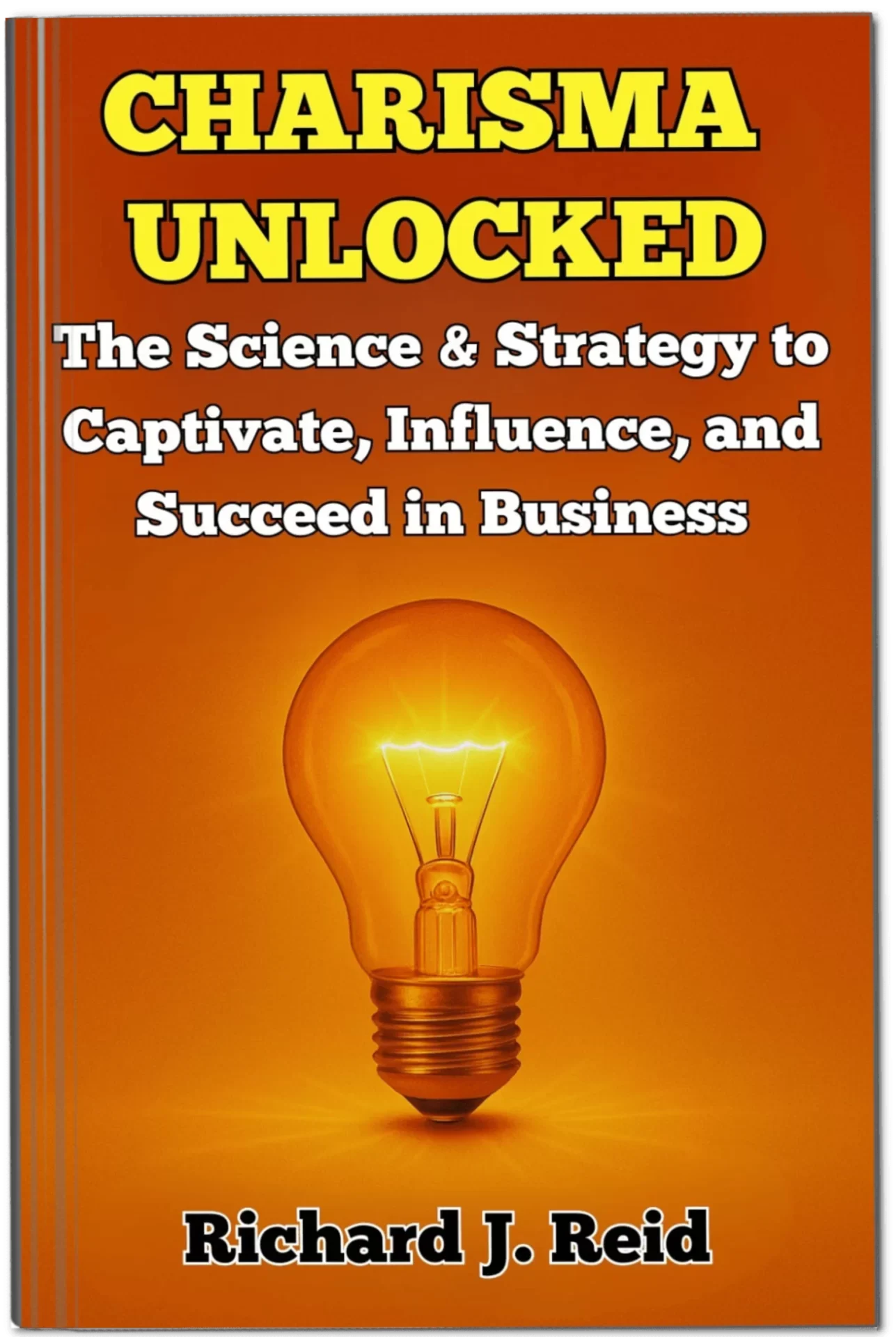
Read Richard Reid’s book: Charisma Unlocked
Are you looking to make a lasting impression in social situations? Do you struggle to connect with others or feel your presence is often overlooked? Unlock your true potential with Charisma Unlocked.
If you feel your ability to communicate or influence is holding you back, this book provides the tools to transform your social skills. With Richard’s expert guidance and proven strategies, you’ll discover how to harness the power of charisma in everyday interactions.
By mastering techniques such as active listening, body language control, and authentic self-expression, you’ll gain the confidence to connect with others and make a powerful impact in both your personal and professional life. Take the first step toward unlocking the magnetic presence within you.