Home » Approaches » Counselling and psychotherapy
Counselling and psychotherapy
What is counselling vs psychotherapy?
Jump to section
What leads to counselling?
Clients may come to us with a range of problems, issues and experiences, from bereavement and separation to major life events and transformations, in the past or the present. Some people seek online therapy to help them deal with specific psychological or behavioural traits which they’d like to alter, such as compulsive thoughts or difficulties relating to other people. Others seek counselling to help them explore a general feeling that their lives are not quite right, or to cope with feelings of depression or anxiety.
Some look to counselling as part of their effort to discover or create meaning in their lives. But many people are attracted to counselling as an opportunity to undertake positive personal development in a safe and supportive environment. Counselling for depression helps and supports people who are suffering from feelings of unhappiness, sadness and distress. These negative feelings may come and go. However, they may be constant, and they may become serious.
How does it work?
How we provide it
Client success stories

Case Studies, Therapy, Trauma

Anger, Anxiety, Case Studies, Children

Case Studies, Communication, Counselling

Case Studies, Workplace Wellbeing






Our insurance partners





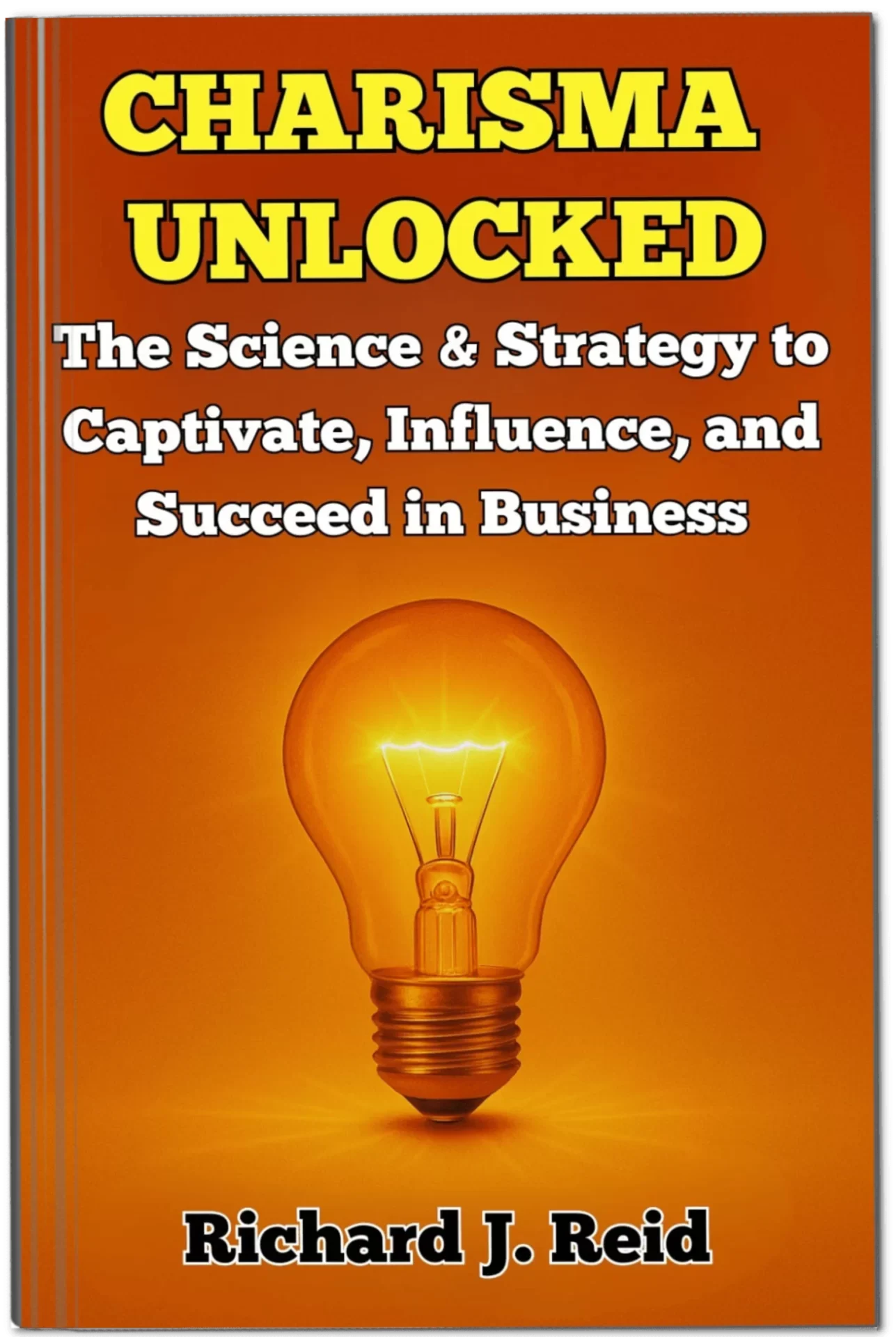
A charisma boost for confident communicators
Are you looking to make a lasting impression in social situations? Do you struggle to connect with others or feel your presence is often overlooked? Unlock your true potential with Charisma Unlocked.
If you feel your ability to communicate or influence is holding you back, this book provides the tools to transform your social skills. With Richard’s expert guidance and proven strategies, you’ll discover how to harness the power of charisma in everyday interactions.
By mastering techniques such as active listening, body language control, and authentic self-expression, you’ll gain the confidence to connect with others and make a powerful impact in both your personal and professional life. Take the first step toward unlocking the magnetic presence within you.
Take the first step toward a better you!
If you’re still unsure whether you need us or not then simply send us any questions you may have via the enquiry form on the right.