Claustrophobia treatment & therapy - replace phobic behaviour & thinking with logic. Through hypnotherapy and cognitive behavioural therapy for claustrophobia we can help your phobia become a thing of the past.
Claustrophobia, or the fear of confined spaces, is often referred to as a specific phobia. This is where the specific individual has a specific phobia that relates to a specific object or situation; for example the fear of spiders, confined spaces, dogs, or flying.
The other two main types of phobia are 1) social phobias where the phobia relates to an excessive or unreasonable fear of social situations such as fear of public speaking or social anxiety; and 2) agoraphobia - the fear of being alone in a public place or a fear of open or public places.
Claustrophobia is thought to impact 10% of the population, and sufferers have varying degrees of severity. Claustrophobia will normally have a trigger; which is either thinking about, or experiencing events such as: being in a lift or tunnel, revolving doors, aeroplanes, or public toilet cubicles. Even crowded places.
Claustrophobia can be successfully treated and cured by gradually being exposed to the situation that causes your fear, this is called exposure therapy.
Jump to section
What are phobias? Taking a closer look.
Phobias are an extreme or irrational fear of an object or situation and can cause a lot of distress. They can restrict day-to-day life and, in severe cases, an individual may organise their life around avoiding the thing they’re afraid of. If the phobia can’t be avoided entirely, intense anxiety will result.
Around ten million people in the UK are affected by phobias. Phobias don’t care about your age, sex or social background. Anyone can be impacted.
Phobias are often developed in early childhood, teenage years, or even as late as early twenties. Within those early years, negative experiences can snowball in a child’s mind and lead to a very specific phobia.
It’s easy to see how a phobia might develop; for example being stuck in a lift for a few hours as a child can later manifest itself as claustrophobia. Similarly, the impact of a parent or sibling’s fear can have a knock on effect too. This is quite often found with phobias of dogs or spiders for example; where the child has watched the behaviours of their family members, and their behaviours go on to mirror that person.
"The temptation is often to avoid the things that make us fearful. However, this often compounds our anxieties. Our therapies help you to find constructive and supportive ways to confront your phobias one step at a time; meaning that you find a pace which is appropriate to your individual situation and which allows your brain to develop a new outlook to those situations or triggers."
Therapist, coaching psychologist and founder of Pinnacle Wellbeing, Richard Reid.
"The temptation is often to avoid the things that make us fearful. However, this often compounds our anxieties. Our therapies help you to find constructive and supportive ways to confront your phobias one step at a time; meaning that you find a pace which is appropriate to your individual situation and which allows your brain to develop a new outlook to those situations or triggers."
Therapist, coaching psychologist and founder of Pinnacle Wellbeing, Richard Reid.
Our approach to treating claustrophobia
The key is to replace phobic behaviour and thinking with logic. This is the tricky bit, but with expert help it is one hundred percent possible. If you, or someone you care about is suffering from claustrophobia, then you are most certainly not alone, and rest assured, we can help your phobia become a thing of the past.
Therapist, coaching psychologist and founder of Pinnacle Wellbeing, Richard Reid, is a specialist in phobia treatment psychology and has helped many clients overcome their phobias.
Claustrophobia treatment and therapy
We believe that therapy is an effective way to treat phobias. Through therapy we can help you overcome your claustrophobia as well as its symptoms and triggers. We can then build a tailor-made programme that works for you.
One of the most effective treatments is a form of psychotherapy called exposure therapy. Here, understanding the cause of a phobia is actually less important than focusing on how to treat the avoidance behaviour that has developed over time.
As you learn how to better manage and relate to your reactions, thoughts and feelings, you’ll find that your anxiety and fear are reduced and no longer in control of your life. Treatment is usually directed at one specific phobia at a time, whilst your main phobia may fall under claustrophobia we can also help you overcome any secondary phobias or anxieties you may be experiencing.
We know that ‘one size doesn’t fit all’ and that each client has their own set of unique needs and circumstances. As well as exposure therapy we typically use a combination of therapies to treat claustrophobia; these include Cognitive Behavioural Therapy (CBT)[LINK], and hypnotherapy alongside talking therapies such as counselling and psychotherapy.
One of the most effective treatments we use for claustrophobia is hypnotherapy but what is hypnotherapy and how does it work?
We actually experience hypnosis all the time naturally. Daydreaming is a form of hypnosis, for example. Similarly, when we arrive at a destination in our car without being aware of how we got there. That’s a form of hypnosis too. We drift in and out of the state all the time.
All we really do with this form of treatment is harness that state to create a form of deep relaxation that enables us to access parts of the brain that are blocked by conscious thought.
By altering your state of consciousness, through the use of hypnosis and positive suggestion, we can help you to change aspects of yourself – for example your behaviour or your feelings.
How does hypnotherapy for claustrophobia help?
Hypnotherapy can have a positive effect for people who are suffering from claustrophobia. Through hypnosis we can teach you simple alternatives of how to express yourself so that you can strengthen relationships rather than damage them.
Through hypnosis, you will change how you feel about yourself and how you interact with those closest to you, and the world in general. You’ll learn to express your feelings and needs positively and start to transform your thought patterns for the better.
How does a hypnotherapy session work
During your first session of hypnotherapy, the clinical hypnotherapist will ask you specific questions about your lifestyle and overall health in order for you both to decide on what your goals will be during the therapy.
While under hypnosis, a patient will exhibit enhanced awareness and responsiveness, which allows the hypnotherapist to bypass the rational part of the brain to the more receptive subconscious and introduce new, positive thoughts and perspectives. You will also be more open to suggestion so that together we can help you change behaviour and overcome your phobia.
Using cognitive behavioural therapy for claustrophobia
Another highly effective treatment for claustrophobia is cognitive behavioural therapy. CBT is about looking at the relationship between your thoughts and feelings, and how they make you ‘default’ to certain behaviours. It’s seen as a different kind of ‘talking therapy’ that aims to solve a person’s current problems. In effect it helps you become your own therapist, where you use the skills you have learned.
Through using cognitive therapy we can help make you aware of what your own defaults are: sometimes they help us, sometimes they don’t – CBT helps you recognise those different responses for what they are.
How does CBT help diminish claustrophobia?
CBT has good results when applied to someone who suffers from phobias. By using cognitive behavioural therapy for claustrophobia, your therapist can help you to tackle negative thought patterns you may direct at yourself or that you perceive from the world around you. It is usually these negative thoughts that trigger a phobic episode.
After you have recognised these negative thoughts and when they occur, you can work to replace them with something more rational and positive which will allow you to cope with your phobia in a calm and controlled manner.
CBT is a way to rewire the software of your brain, rehearsing troubling situations in your mind in order to create alternative ways of thinking when that situation arises again. In effect, you’re creating new mental circuitry by challenging and changing old responses that feel hardwired in, but aren’t.
With CBT, the therapist acknowledges that there may be behaviours that you cannot control through rational thought. Rather, these harmful coping strategies are as a result of prior conditioning from the environment and other internal or external stimuli.
By taking (what can feel like) insurmountable tasks and teaching you how to apply a pragmatic and objective viewpoint to these issues, CBT gradually changes the way you look at everyday challenges.
What can you expect from a claustrophobia treatment session?
Our insurance partners
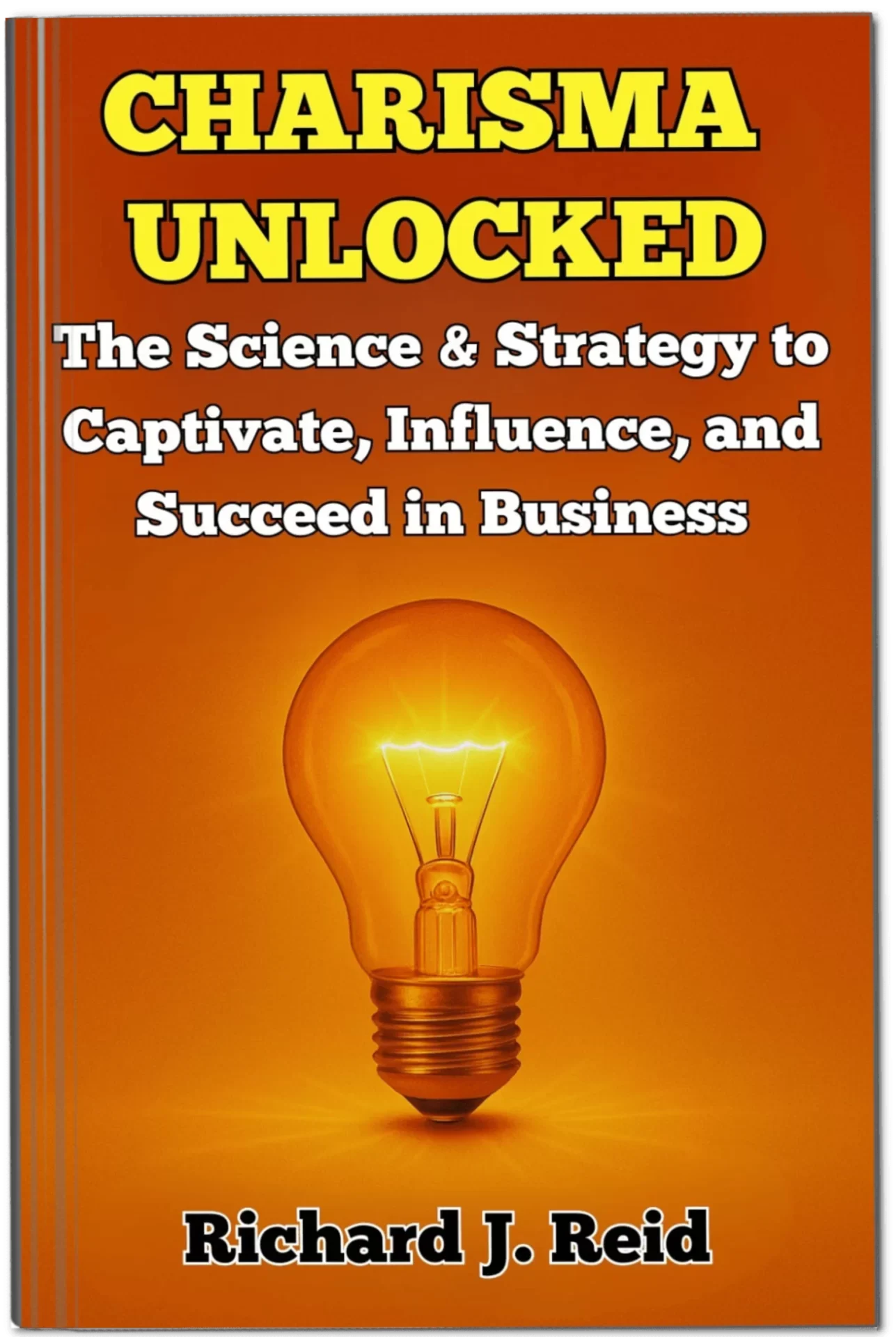
A charisma boost for confident communicators
Read Richard Reid’s book: Charisma Unlocked
Are you looking to make a lasting impression in social situations? Do you struggle to connect with others or feel your presence is often overlooked? Unlock your true potential with Charisma Unlocked.
If you feel your ability to communicate or influence is holding you back, this book provides the tools to transform your social skills. With Richard’s expert guidance and proven strategies, you’ll discover how to harness the power of charisma in everyday interactions.
By mastering techniques such as active listening, body language control, and authentic self-expression, you’ll gain the confidence to connect with others and make a powerful impact in both your personal and professional life. Take the first step toward unlocking the magnetic presence within you.