Counselling for depression helps and supports people who are suffering from feelings of unhappiness, sadness and distress. These negative feelings may come and go, they may be constant and they may become serious.
Depression is an illness. It may be triggered by a personal trauma such as change, relationship breakdown or bereavement. Depression can undermine confidence, motivation and the quality of life. Depression can be persistent and be a recurring illness. Some people may be vulnerable to depression, or even susceptible to depression.
Severe depression may lead to thoughts of self-harm or even suicide. Whilst depression counselling will help, some people may be under a GP for medication as well as seeing a counsellor or psychotherapist. Some people with depression may be referred to a counsellor or a psychotherapist by a psychiatrist or vice versa.
Jump to section
Using CBT treatment for depression and anxiety - our approach
At Pinnacle, we have a large amount of experience in depression therapy. We recognise that every individual is truly unique, and this makes our methods of practice evermore important in treating something like depression.
The first part of our approach is thoroughly understanding you; our client. We come to a joint decision as to what should be achieved through the therapy.
It is crucial to us that we take a holistic approach when treating depression. This means that it can be common practice for us to blend and use various therapies. Also known as ‘integrative counselling’, it ensures that you receive unique and tailored treatments to satisfy your needs.
At Pinnacle we know that ‘one size doesn’t fit all’ and that each of our clients is different and has their own set of unique needs and circumstances. We use a combination of therapies for anxiety, one of the primary treatments is Cognitive Behavioural Therapy (CBT).
What is CBT and mindfulness CBT?
CBT, or mindfulness CBT as it is sometimes referred to, is about looking at the relationship between your thoughts and feelings, and how they make you ‘default’ to certain behaviours. It’s seen as a different kind of ‘talking therapy’ that aims to solve a person’s current problems. In effect it helps you become your own therapist, where you use the skills you have learned.
By using CBT, we can help make you aware of what your own defaults are: sometimes they help us, sometimes they don’t – CBT helps you recognise those different responses for what they are.
“We all have our default ways of dealing with situations. Most of us aren’t even aware of what they are. And some of the time they work. But like a tradesmen who turns up to every job with the same couple of tools, there will be situations where those tools just aren’t the right ones. CBT is particularly helpful in treating depression. It helps make you aware and gives you a versatile practical set of life skills to become more agile and resilient for whatever life throws at you.”
Richard Reid - CEO, Therapist & Coaching Psychologist
How does CBT therapy help treat depression?
CBT has good results when applied to someone who suffers from depression. By using cognitive therapy, your therapist can help you to tackle negative thought patterns you may direct at yourself or that you perceive from the world around you. It is usually these negative thoughts that trigger depression.
After you have recognised these negative thoughts and when they occur, you can work to replace them with something more rational and positive which will allow you to cope with anxiety in a calm and controlled manner.
CBT is a way to rewire the software of your brain, rehearsing troubling situations in your mind in order to create alternative ways of thinking when that situation arises again. In effect, you’re creating new mental circuitry by challenging and changing old responses that feel hardwired in, but aren’t.
With CBT, the therapist acknowledges that there may be behaviours that you cannot control through rational thought. Rather, these harmful coping strategies are as a result of prior conditioning from the environment and other internal or external stimuli.
By taking (what can feel like) insurmountable tasks and teaching you how to apply a pragmatic and objective viewpoint to these issues, CBT gradually changes the way you look at everyday challenges.
A male client was very negative and depressed. He was in his early forties and said he had always felt this way. He felt there was more to life and wanted to experience happiness.
We worked with him on defining exactly what, for him, constituted happiness. He defined it as feeling heard by others more in everyday situations and feeling “lighter inside”. Using CBT techniques, we began to practice assertiveness strategies both in the therapy room and in ‘real life’ scenarios, using the feedback to inform our next steps.
He began to describe feeling more joyful on waking in the morning and, as this feeling was reinforced, it grew in frequency and became almost an everyday experience. He began to be more aware of his feelings, learning to express them in constructive ways, and developed the habit of looking more positively at his everyday life.
What can you expect from a depression therapy counselling session?
Our depression therapy sessions are tailored to suit your needs. We work with individuals, couples, teens, and groups.
Our sessions usually last from 30 minutes to an hour; and our courses usually consist of around 6 to 12 sessions.
“I’ve been suffering from depression and anxiety for over 10 years; taking medication and have seen several therapists. My GP recommended seeing Pinnacle Wellbeing Plus and I made an appointment based on her advice. After the first session I noticed something had changed, but I wasn’t sure what. I’ve had five sessions now and my doctor has reduced my medication and we have set a goal to be tablet free in two months time. I am grateful for the support Pinnacle has given me, thank you.”
Jeremy - Hampton Hill, London.
Our insurance partners
A charisma boost for confident communicators
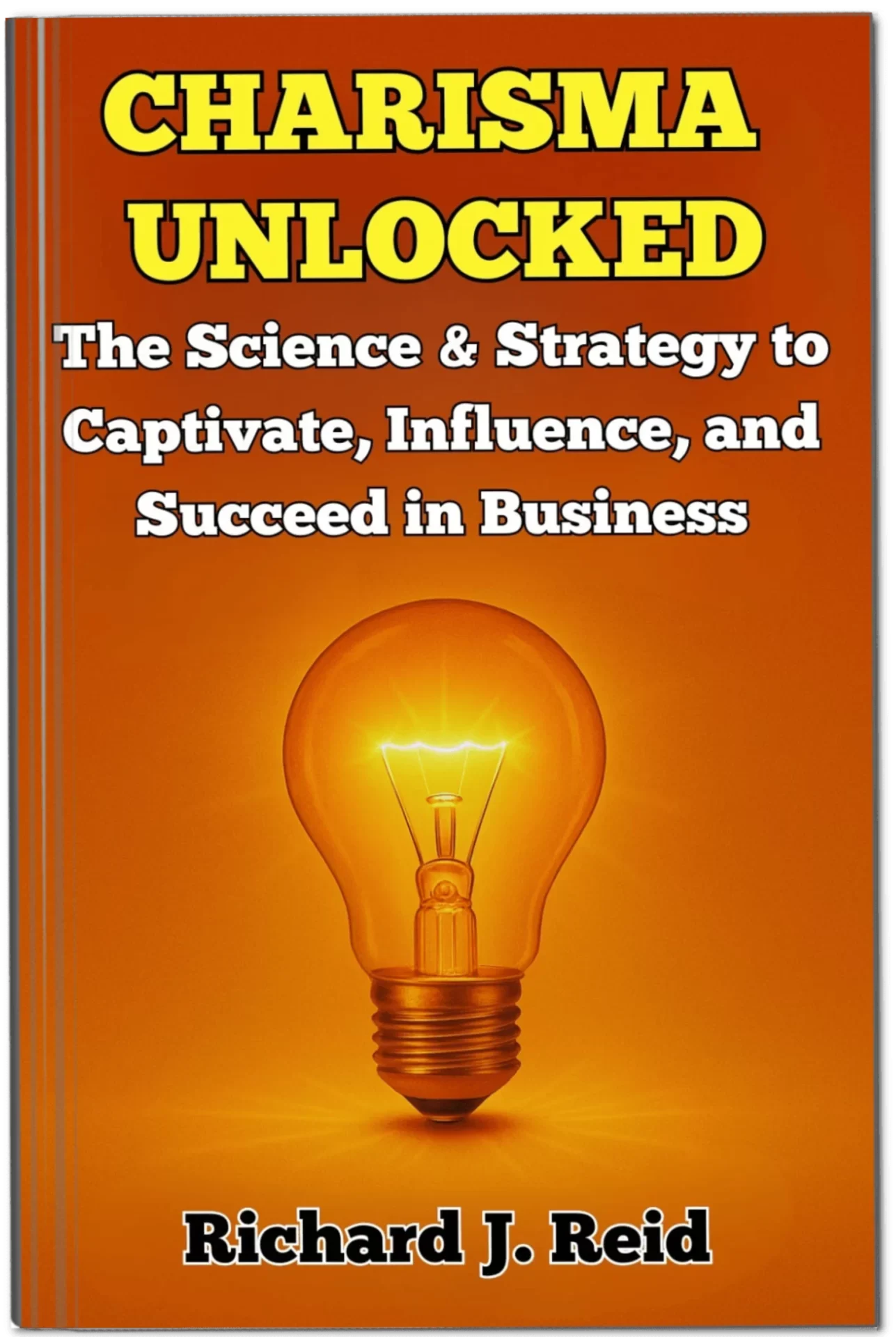
Read Richard Reid’s book: Charisma Unlocked
Are you looking to make a lasting impression in social situations? Do you struggle to connect with others or feel your presence is often overlooked? Unlock your true potential with Charisma Unlocked.
If you feel your ability to communicate or influence is holding you back, this book provides the tools to transform your social skills. With Richard’s expert guidance and proven strategies, you’ll discover how to harness the power of charisma in everyday interactions.
By mastering techniques such as active listening, body language control, and authentic self-expression, you’ll gain the confidence to connect with others and make a powerful impact in both your personal and professional life. Take the first step toward unlocking the magnetic presence within you.