Table of contents
- How Children Experience Grief
- Importance of Grief Counselling for Children
- Signs of Loss and Suffering
- Parents and Caregivers Role
- Conclusion: Grief Counselling for Children in a Nutshell
- FAQs
- How does bereavement counselling for children differ from counselling for adults?
- What signs indicate that a child may need children’s bereavement counselling?
- How can parents support their child before, during, and after bereavement counselling?
- What techniques and approaches are used in grief counselling for children?
Every emotion needs proper regulation. Most of the time, we don’t value or neglect the grief emotions in young ones. But we should be careful to pay similar attention to all kinds of emotions. Grief holds equal importance and needs to be processed properly so that the incident may not cause any long-term effects to grievers.
The pattern of grief is different in every child and may be noticed early by parents or other close family members. As soon as you find a child suffering from grief, offer them help to process the emotions so that it may not cause any long-term harm.
How Children Experience Grief
Children may express their feelings and loss in different ways, as every child differs from the other and has their own personality. If the feelings are a result of someone’s death, they might not process it at once. They still may expect the return of the deceased person and may turn anxious while waiting.
I remember the death of a young mother in my extended family, leaving behind two grieving daughters who both can’t process the loss and used to pray for her return even after the death, or would wait for her reaction from the skies while complaining about one another.
Importance of Grief Counselling for Children
Children have different ways of expression. Some may be open about their feelings, but some are more sensitive and would keep their feelings to themselves. This state of keeping one’s grievances to themself is not good in the long term as it may affect them badly in many aspects.
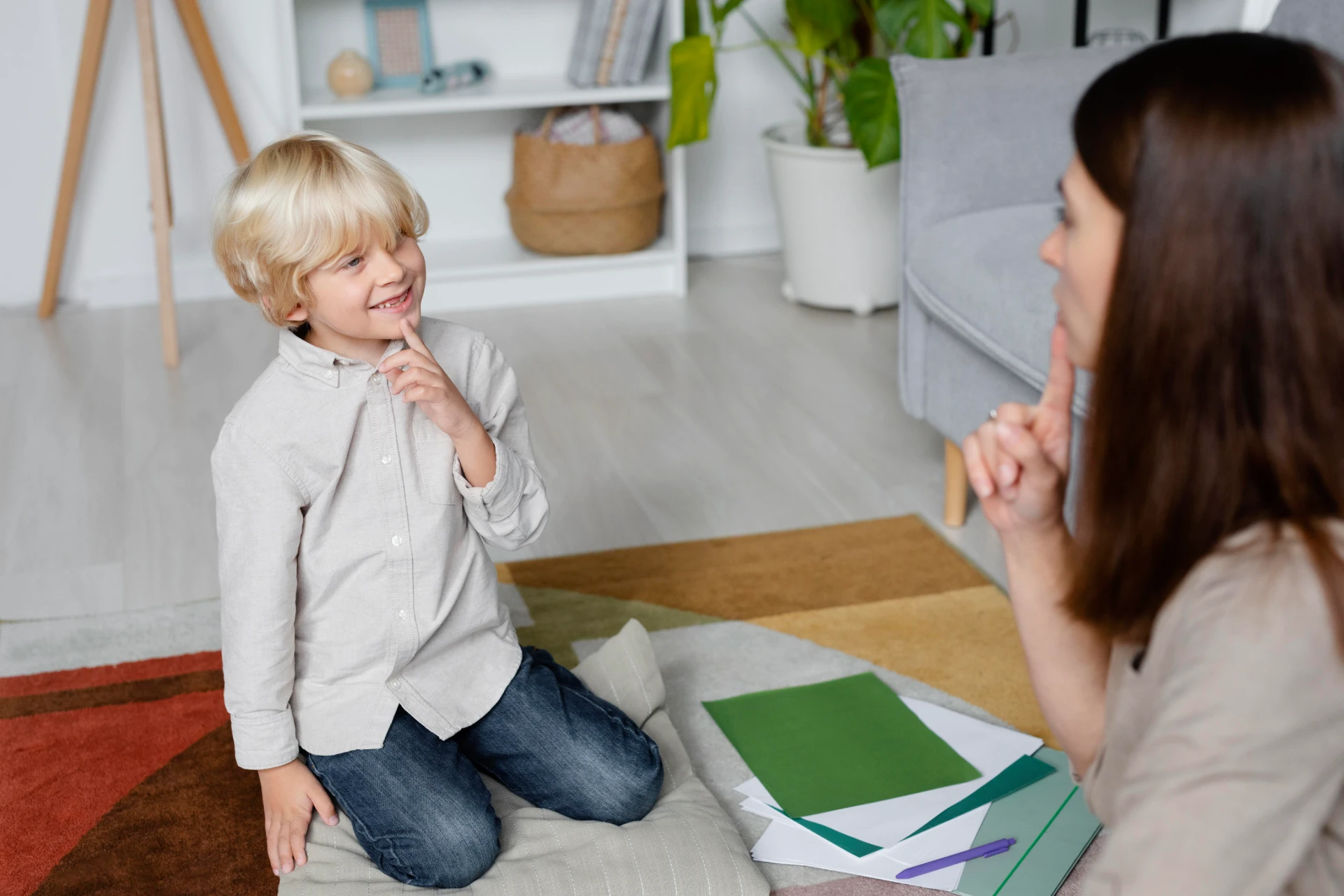
This is where grief counselling for children comes to help. The children should be taught at an early age that there is no harm in getting emotional and that it is always okay to talk about how and what they are feeling. So it is the job of a good counsellor to help the child process his emotions in a better way so that it may not leave any long-term side effects.
Signs of Loss and Suffering
These signs can be different from sadness. You should look for a difference in the attitude of the suffering kid. They might start acting differently. They might be quitting their favorite activities. They might not perform well in school. There could be a difficulty in getting along with friends. They might act clingy.
Look for the patterns that appear different or changed from the routine of the kid’s life. If they show no interest in regular activities or complain about any headaches, stomach aches, loss of appetite, etc. Any decline in school progress report or complaints from neighbours or the school about the behaviour are clear signs that the child needs help.
You can visit our website to book any sort of consultations.
Parents and Caregivers Role
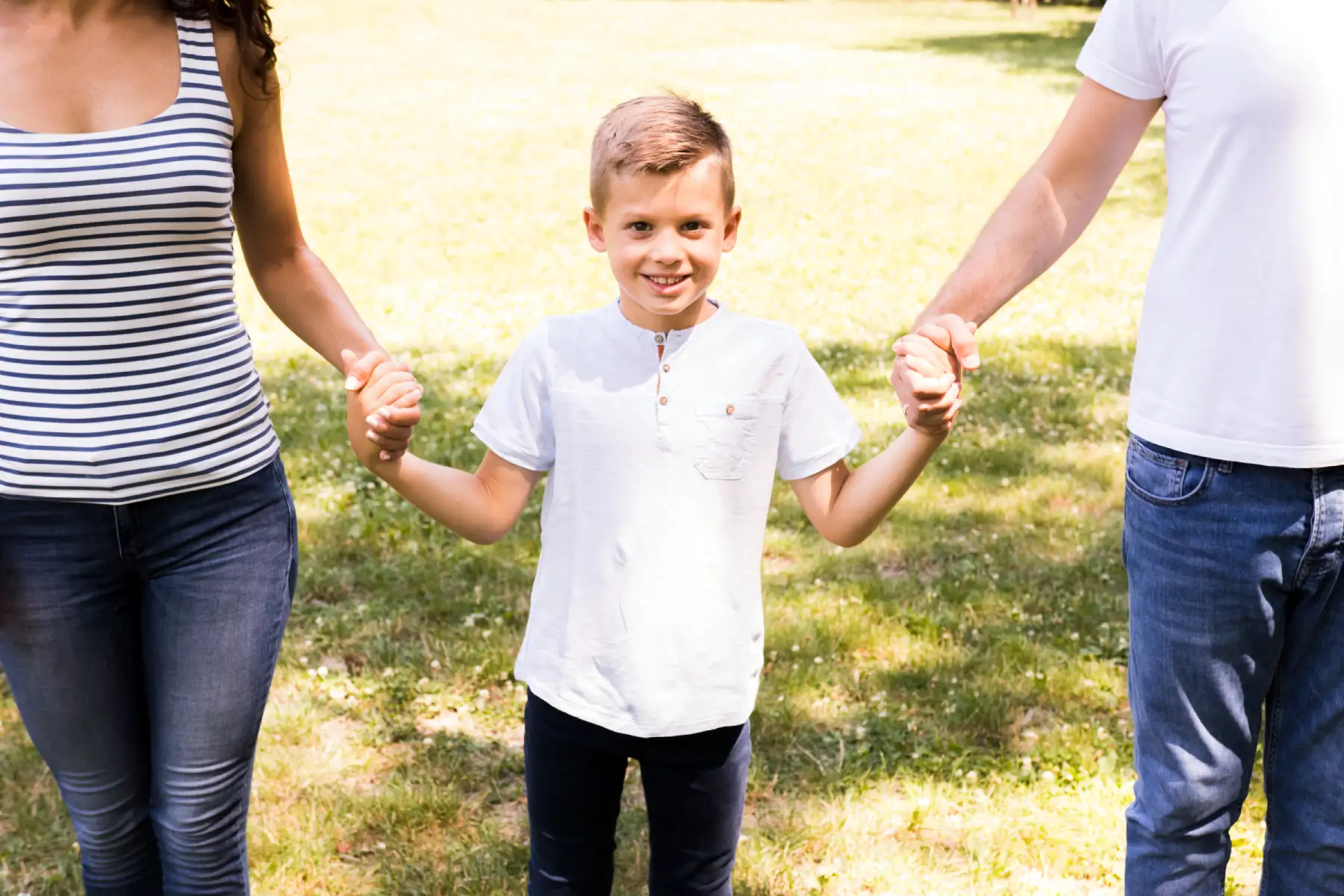
The role of parents is to let the children know that it is not wrong to be overwhelmed or sorrowful, but to be afraid of their feelings or the expression. In fact, we need to talk about their feelings without correcting them.
The counselling sessions are more helpful when parents are involved and informed about what is being done and how to follow the counsellor’s instructions. They should know how to regulate the emotions of their kids to help them cope with their grievances.
Conclusion: Grief Counselling for Children in a Nutshell
It is difficult to process some emotions like grief. Children should get a proper evaluation of their emotions and be taught that it is okay to open up about their feelings and not get scared of them.
Kids are not forced to talk if they don’t want to. The counsellor wins the child’s trust slowly and teaches them how to deal with their emotions of sadness in the right manner. Learning to cope with emotions at an early age is great for life ahead.
FAQs
How does bereavement counselling for children differ from counselling for adults?
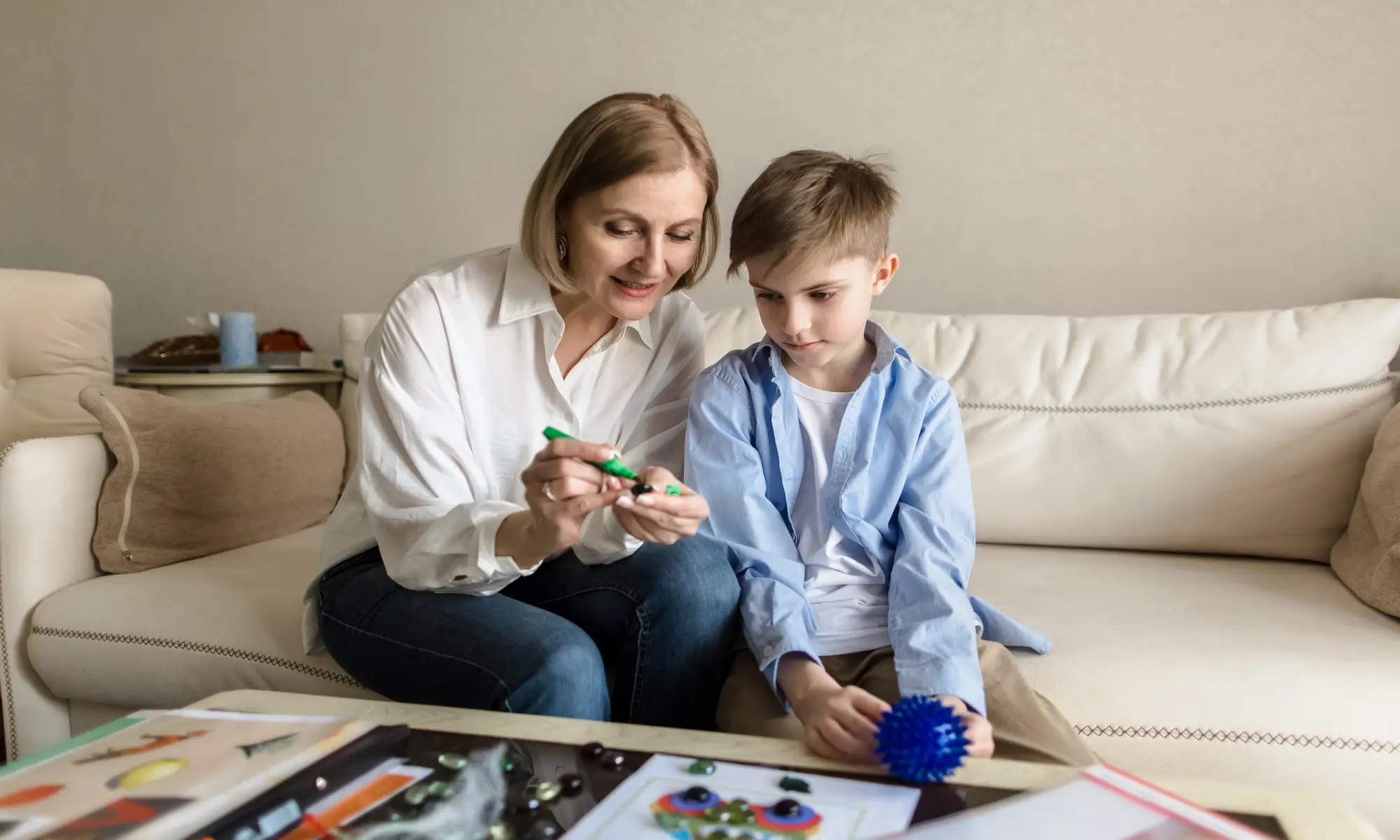
The sessions for children are based on playful activities that are children’s favorites and make it easy for the counsellor to draw their attention. They also include the age-appropriate discussion on the topic.
What signs indicate that a child may need children’s bereavement counselling?
Any persistent change in the child’s behaviour other than their normal attitude is a clear sign that they have not processed the loss and need help to cope with their emotions.
How can parents support their child before, during, and after bereavement counselling?
Parents should build trust with their children. Proper routines should be followed to help them recover quickly. They should be open about the feelings and the queries in the young minds.
What techniques and approaches are used in grief counselling for children?
Play therapy and creative expression are commonly used. Storytelling helps children understand emotions. Relaxation and grounding techniques build calm. Each approach is adjusted to the child’s needs.